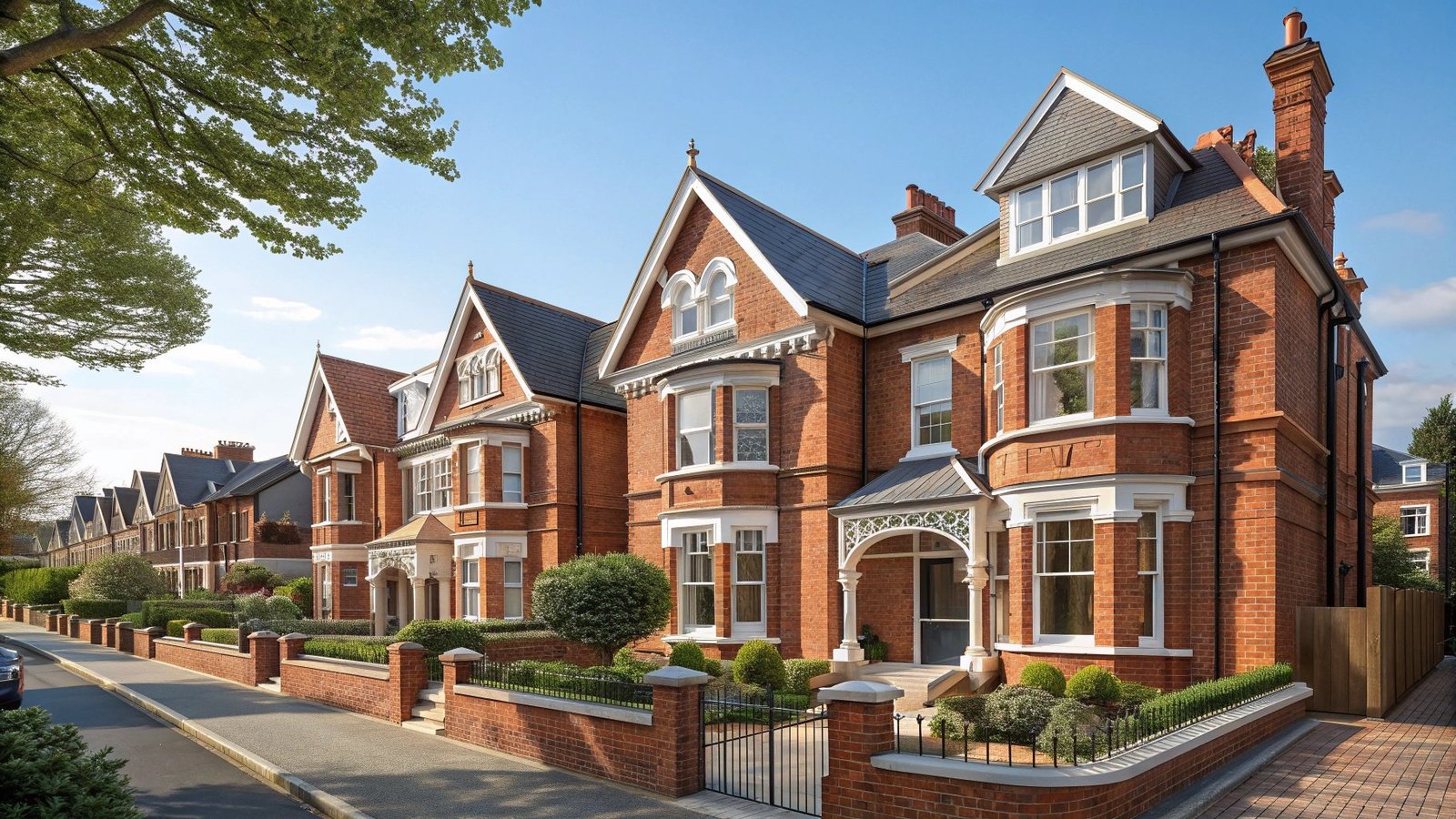
Royal Tunbridge Wells is renowned for its stunning Victorian architecture. From grand terraced houses to elegant villas, Victorian properties dominate the local property market, particularly around The Pantiles and historic town center. However, buying a Victorian property requires careful consideration and professional surveying services. This comprehensive guide from our chartered surveyors explains everything you need to know.
Understanding Victorian Properties in Tunbridge Wells
The Victorian era (1837-1901) saw massive expansion in Royal Tunbridge Wells as the town developed into a fashionable spa destination. This period of growth left us with the beautiful Victorian architecture that characterizes much of Tunbridge Wells today. Our chartered building surveyors regularly inspect these period properties, understanding their unique construction methods and common issues.
Types of Victorian Properties in Kent
Victorian residential property in Tunbridge Wells generally falls into several categories:
- Victorian Terraced Houses: The most common type, typically 2-3 stories with bay windows, featuring solid brick walls and slate roofs. These dominate many Tunbridge Wells streets.
- Victorian Villas: Larger detached or semi-detached properties, often with more elaborate architectural features including decorative brickwork and ornate details.
- Victorian Conversions: Large Victorian houses converted into flats, common in central Tunbridge Wells areas.
- Late Victorian Properties: Built toward the end of Queen Victoria's reign (1890s-1901), these often show transitional features leading into Edwardian style.
Characteristic Features of Victorian Homes
When our RICS chartered surveyors inspect Victorian properties in Royal Tunbridge Wells, we pay particular attention to these defining characteristics:
Original Architectural Features
Victorian properties typically showcase:
- Sash Windows: Traditional sliding sash windows, often single-glazed in original condition
- High Ceilings: Typically 10-12 feet high on ground floors, creating spacious, airy rooms
- Ornate Coving: Decorative plasterwork at ceiling edges
- Picture Rails: Wooden rails running around rooms below ceiling height
- Victorian Fireplaces: Cast iron or marble fireplaces in reception rooms
- Decorative Tiles: Original floor tiles in hallways and porches
- Bay Windows: Characteristic curved or angled bay windows projecting from the facade
- Elaborate Brickwork: Decorative patterns and contrasting colored bricks
These original features significantly add to property value in Tunbridge Wells, and preserving them is often a priority for homebuyers purchasing period properties.
Construction Methods
Victorian building surveyors need to understand traditional construction techniques used throughout Royal Tunbridge Wells:
- Solid Brick Walls: Typically 9-13 inches thick, with no cavity insulation
- Lime Mortar: Traditional pointing allowing walls to breathe
- Suspended Timber Floors: Wooden joists with floorboards, requiring ventilation underneath
- Slate Roof Coverings: Natural slate tiles, long-lasting but eventually requiring replacement
- Lath and Plaster: Traditional internal wall finishes using wooden laths covered with lime plaster
Common Issues in Victorian Properties
Our team of chartered surveyors regularly identify specific issues when conducting building surveys on Victorian properties across Tunbridge Wells and Kent:
1. Damp Problems
Damp is perhaps the most common issue in Victorian residential property. Our building surveyors check for:
- Rising Damp: Many Victorian properties lack proper damp proof courses, or original slate DPCs have deteriorated. Rising damp appears as tide marks and salt deposits on lower walls.
- Penetrating Damp: Solid brick walls without cavities are vulnerable to water penetration, particularly on exposed elevations. Failed pointing between bricks exacerbates this problem.
- Condensation: Single-glazed windows and poor ventilation contribute to condensation issues, especially in bathrooms and kitchens.
- Roof Leaks: Aging slate roofs and deteriorated lead valleys allow rainwater penetration into roof spaces.
Our RICS building survey reports detail damp issues found, recommend appropriate remedial works, and provide repair cost estimates for Victorian properties in Tunbridge Wells.
2. Structural Movement
Older properties naturally settle over time. Our chartered surveyors assess:
- Historic Settlement: Most Victorian properties show some historic movement, now stabilized. We distinguish between old, inactive cracks and ongoing structural problems.
- Subsidence: Clay soil in parts of Kent can cause seasonal ground movement. We look for crack patterns indicating subsidence, particularly diagonal cracks wider at top than bottom.
- Foundation Issues: Victorian foundations are typically shallow compared to modern standards. Nearby tree roots or drainage problems can affect foundations.
- Wall Tie Failure: Later Victorian properties using cavity walls may experience corroded wall ties requiring replacement.
3. Roof Condition
Victorian slate roofs are durable but not eternal. After 120-180 years, many need attention:
- Nail Sickness: Original iron nails rust over time, causing slates to slip. Our building surveyors identify loose or missing slates.
- Lead Valley Deterioration: Lead valleys between roof slopes split or wear through, causing leaks.
- Chimney Stack Issues: Pointing deteriorates, chimney pots crack, and flashings fail around stack bases.
- Ridge Tile Problems: Mortar bedding under ridge tiles cracks, allowing tile movement and water ingress.
Complete roof replacement on Victorian properties in Tunbridge Wells typically costs £8,000-£20,000 depending on property size, representing a significant investment homebuyers must budget for.
4. Window and Door Issues
Original sash windows are charming but often problematic:
- Rotten Timber: Window sills and lower sections of frames suffer water damage and rot.
- Failed Sash Cords: Traditional rope sash cords break, leaving windows stuck or falling.
- Single Glazing: Original single-glazed windows provide poor thermal efficiency and sound insulation.
- Poor Quality Replacements: Badly installed uPVC windows often damage the character and value of Victorian properties.
Overhauling original sash windows costs approximately £400-800 per window, while quality replacement sash windows range from £800-1,500 each in Royal Tunbridge Wells.
5. Electrical and Heating Concerns
Modern services in old buildings present challenges:
- Outdated Wiring: Many Victorian properties retain old electrical installations requiring complete rewiring for safety.
- Inadequate Heating: Original properties had open fires throughout. Retrofitting central heating is expensive and often inadequately done.
- Poor Insulation: Solid walls and single glazing make Victorian properties expensive to heat without proper insulation upgrades.
- Plumbing Issues: Old lead pipes, inadequate hot water systems, and period bathrooms may need modernization.
Survey Requirements for Victorian Properties
When buying a Victorian property in Tunbridge Wells, our chartered surveyors strongly recommend comprehensive surveying services:
RICS Level 3 Building Survey
For Victorian residential property, we typically recommend a full RICS Level 3 building survey rather than a basic homebuyer report. This comprehensive inspection provides:
- Detailed assessment of traditional construction methods
- Investigation of period-specific issues like damp and structural movement
- Roof condition analysis including access to roof spaces
- Detailed descriptions of defects with repair priorities
- Cost estimates for necessary works
- Advice on maintaining your period property
Building survey costs for Victorian properties in Tunbridge Wells typically range from £700-£1,500 depending on property size and complexity.
Specialist Reports
Our RICS chartered surveyors may recommend additional specialist investigations:
- Damp Survey: If moisture issues are suspected, specialized damp surveyors use advanced equipment to assess extent and causes.
- Structural Engineer's Report: For significant structural concerns, we recommend consulting structural engineers who can design appropriate repairs.
- Electrical Condition Report: Essential for older properties, qualified electricians test the entire electrical installation.
- Timber Survey: If timber decay or insect infestation is suspected, specialist timber surveyors assess extent and recommend treatments.
What to Look for When Viewing
Before instructing our chartered surveyors for a building survey, homebuyers can spot potential issues during property viewings in Tunbridge Wells:
External Inspection
- Overall Appearance: Does the property look well-maintained? Neglected external maintenance often indicates hidden problems.
- Brickwork and Pointing: Check for crumbling mortar, cracked bricks, or bulging walls.
- Roof Condition: Use binoculars to spot missing slates, damaged chimney stacks, or sagging rooflines.
- Window Condition: Test whether sash windows operate smoothly. Check for rotten wood around frames.
- Guttering: Look for overflowing gutters, damaged downpipes, or water stains below gutters.
- Ground Levels: Earth or paving should be below damp proof course level. High ground levels cause damp problems.
Internal Inspection
- Damp Smells: Musty odors indicate moisture problems requiring investigation.
- Wall and Ceiling Cracks: Note crack locations and patterns for discussion with our chartered surveyors.
- Floor Condition: Bouncy floors suggest timber decay or structural issues underneath.
- Original Features: Assess condition of fireplaces, coving, and period details. Restoration costs can be significant.
- Modern Additions: Check quality of kitchen, bathroom, and heating installations. Poor workmanship may hide problems.
Conservation Area Considerations
Many Victorian properties in Royal Tunbridge Wells lie within conservation areas, particularly around The Pantiles. This designation affects:
Planning Permission Requirements
- External alterations often require conservation area consent
- Window replacements must use appropriate materials and designs
- Extensions and modifications face stricter planning scrutiny
- Some properties have Article 4 directions removing permitted development rights
Listed Building Status
Some Victorian properties in Tunbridge Wells have listed building status. Listed building consent is required for virtually any alterations, internal or external. Our chartered surveyors advise on listed building implications during building surveys.
Energy Efficiency and Insulation
Victorian properties present energy efficiency challenges. Homebuyers in Kent should consider:
Insulation Options
- Loft Insulation: Typically straightforward and cost-effective. Aim for 270mm depth.
- Internal Wall Insulation: Insulated plasterboard on internal walls reduces heat loss but loses room space.
- External Wall Insulation: External insulation changes property appearance and may not be permitted in conservation areas.
- Floor Insulation: Insulation between floor joists improves comfort significantly.
Window Upgrades
Options for improving thermal efficiency while respecting Victorian character:
- Secondary Glazing: Additional internal glazing layer preserves original windows while improving insulation.
- Draught Proofing: Professional draught-proofing of original sash windows is surprisingly effective.
- Quality Replacements: If replacement is necessary, use high-quality timber sash windows matching originals, avoiding cheap uPVC.
Renovation and Maintenance Costs
Buying Victorian property in Tunbridge Wells requires realistic budgeting for ongoing maintenance and potential renovation:
Typical Renovation Costs
- Complete Roof Replacement: £8,000-£20,000
- Damp Proof Course Installation: £1,500-£4,000
- Sash Window Restoration (per window): £400-£800
- Complete Rewiring: £4,000-£8,000
- Central Heating Installation: £3,000-£6,000
- External Repointing: £50-£80 per square meter
- Timber Floor Repairs: £30-£60 per square meter
Annual Maintenance Budget
Our chartered surveyors recommend setting aside approximately 1-2% of property value annually for maintenance on Victorian residential property. For a £500,000 Victorian home in Tunbridge Wells, that's £5,000-£10,000 per year for ongoing upkeep.
Benefits of Victorian Properties
Despite potential issues, Victorian properties in Royal Tunbridge Wells offer significant advantages:
- Character and Charm: Original features create unique, beautiful homes impossible to replicate in new builds.
- Spacious Rooms: High ceilings and generous room sizes provide comfortable living space.
- Solid Construction: Well-built Victorian properties withstand the test of time with proper maintenance.
- Central Locations: Victorian areas in Tunbridge Wells are typically well-located near amenities and transport.
- Strong Resale Value: Period properties in desirable locations like Royal Tunbridge Wells retain value well.
- Community and Heritage: Victorian neighborhoods have established character and community atmosphere.
Working with Chartered Surveyors
When buying Victorian property in Tunbridge Wells, professional surveying services are essential. Our RICS chartered surveyors provide:
- Expert Knowledge: Understanding of Victorian construction methods and common defects
- Local Experience: Extensive knowledge of Tunbridge Wells property market and period properties
- Comprehensive Reports: Detailed RICS building survey reports with clear findings
- Negotiation Support: Survey evidence for price negotiations with sellers
- Maintenance Advice: Guidance on preserving your Victorian property long-term
Questions to Ask Your Surveyor
When instructing chartered building surveyors for Victorian property surveys in Kent, ask:
- Do you have specific experience with Victorian properties in Tunbridge Wells?
- Will the survey include roof space access?
- Can you recommend specialists if further investigations are needed?
- What's included in the building survey report?
- How long will the property inspection take?
- When will I receive the survey report?
- Can we discuss findings over the phone?
- Do you provide repair cost estimates?
Insurance Considerations
Insuring Victorian properties requires consideration of:
- Rebuilding Costs: Period features are expensive to replicate. Ensure adequate rebuilding sum insured.
- Listed Buildings: Some insurers specialize in listed building insurance with appropriate coverage.
- Age-Related Issues: Insurers may require recent electrical certificates or treatment guarantees.
- Subsidence History: Previous subsidence affects premiums and availability of cover.
Final Advice for Victorian Property Buyers
Our chartered surveyors in Tunbridge Wells offer these final recommendations for buying Victorian residential property:
- Always Commission a Full Building Survey: Don't rely on basic valuations. Victorian properties need comprehensive RICS Level 3 surveys.
- Budget Realistically: Factor in renovation costs and ongoing maintenance when assessing affordability.
- Preserve Original Features: Period features add value. Restore rather than replace wherever possible.
- Use Qualified Tradespeople: Victorian properties need specialists understanding traditional construction methods.
- Plan Long-Term: Victorian properties reward patient, thoughtful maintenance over quick fixes.
- Research Planning Constraints: Check conservation area restrictions before planning alterations.
- Embrace the Character: Victorian properties have quirks. Accept and appreciate their unique character.
Get Expert Surveying Services
If you're buying a Victorian property in Royal Tunbridge Wells, Tonbridge, Sevenoaks, or anywhere across Kent, our team of RICS chartered surveyors provides comprehensive building surveys tailored to period properties. With extensive experience surveying Victorian residential property throughout the Tunbridge Wells area, we identify issues, provide clear reports, and offer expert advice for confident property purchase.
Contact Tunbridge Wells Surveyors today for your Victorian property building survey. Our chartered building surveyors understand period properties and provide the professional service you need when buying your Victorian home in Kent.
Buying a Victorian Property in Tunbridge Wells?
Our RICS chartered surveyors specialize in period property surveys throughout Kent.