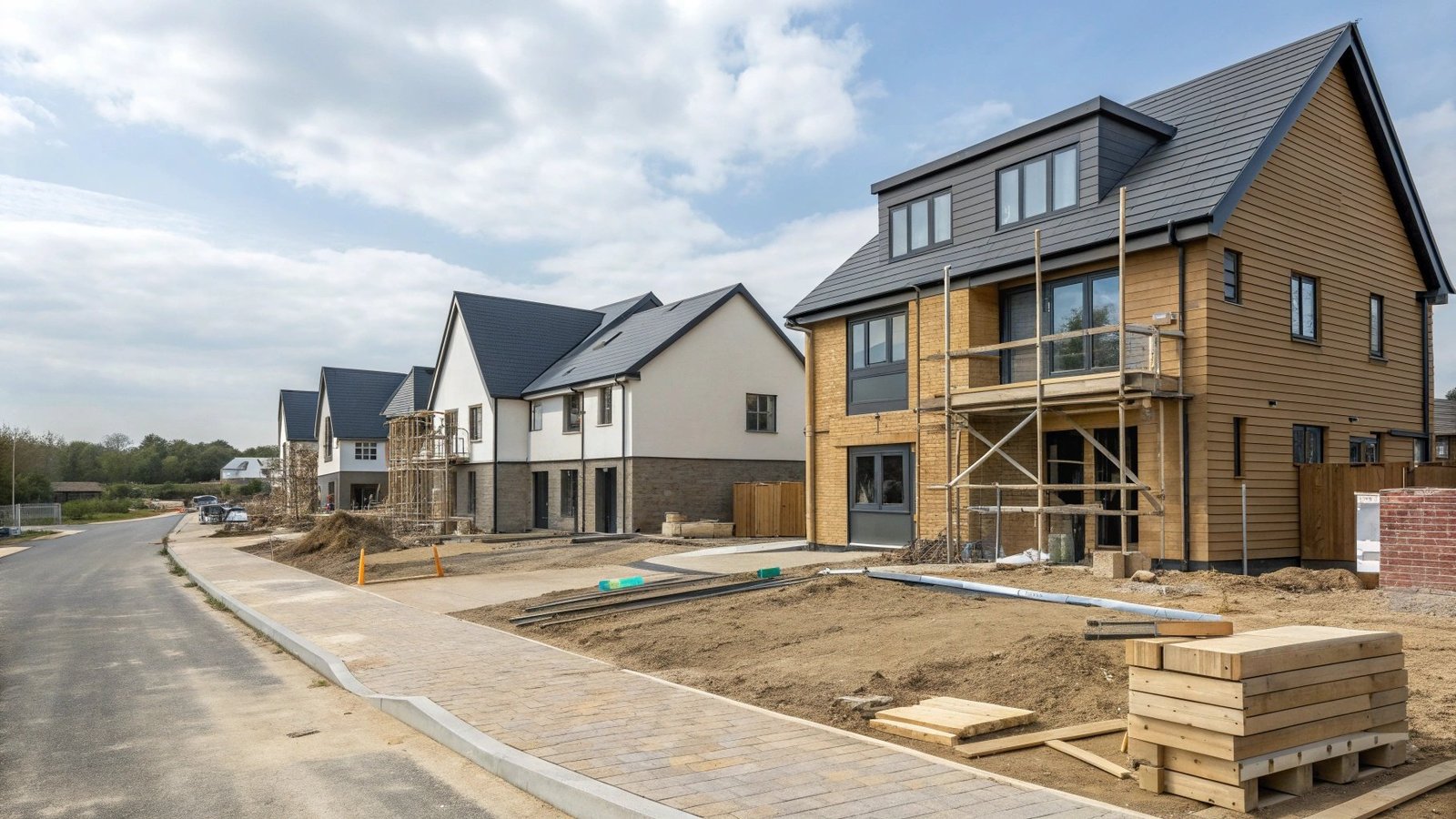
New build properties in Tunbridge Wells require professional snagging surveys despite appearing perfect on completion. Construction defects ranging from minor cosmetic issues to serious structural problems commonly affect new homes. Independent snagging inspections identify problems before completion, ensuring developers remedy defects under warranty protection.
What Is Property Snagging?
Snagging refers to identifying and documenting defects in new build properties before or shortly after legal completion. The term originates from construction industry jargon for minor faults requiring rectification. However, "snags" can range from trivial cosmetic blemishes to significant structural or safety issues affecting property quality and value.
Professional snagging surveys systematically inspect new builds, documenting all defects with photographs and detailed descriptions. Comprehensive snagging lists enable buyers to request developer remediation before completion or within warranty periods, protecting substantial property investments.
Why New Builds Need Snagging Surveys
Many Tunbridge Wells buyers mistakenly believe new builds don't need surveys because everything is new with warranties. This dangerous assumption ignores construction realities. Modern volume house building operates under intense time and cost pressures. Quality control varies significantly between developers and even between individual site managers.
Common misconceptions about new builds include that everything will be perfect because it's new, NHBC warranties cover all defects automatically, developers will identify and fix all problems, and independent surveys are unnecessary expenses. Reality differs significantly. Construction defects affect most new builds to some degree, warranty claims require proper documentation and notification, developers may miss or overlook defects during final inspections, and independent surveys identify issues protecting buyer interests.
Common New Build Defects
Cosmetic Issues
Minor cosmetic defects are extremely common in new builds. Poor paintwork with brush marks, drips, or uneven coverage is frequently seen. Damaged or poorly fitted skirting boards and architraves detract from finish quality. Scratched or chipped tiles in kitchens and bathrooms occur during construction. Damaged kitchen units or worktops need replacement before acceptance. Poorly fitted carpets with visible seams or poor stretching create trip hazards.
While cosmetic, these issues affect your enjoyment and reflect poor workmanship standards. Document all cosmetic defects for developer rectification.
Plumbing Problems
Plumbing defects create ongoing problems. Leaking joints under sinks or baths cause water damage over time. Poorly fitted bathroom suites with gaps allowing water penetration lead to rot. Inadequate sealing around shower enclosures permits water escape damaging floors and ceilings below. Central heating systems with air locks, leaks, or inadequate radiators fail to heat properties properly. Poor drainage causing slow-draining sinks or toilets indicates installation problems.
Electrical Defects
Electrical issues range from inconvenient to dangerous. Loose switches or sockets present safety hazards. Non-functioning light fittings or switches require investigation. Inadequate numbers or positioning of sockets create frustration and potential danger from overloaded adapters. Missing earth bonding on water and gas pipes creates serious safety risks. Incomplete or damaged consumer units affect whole electrical systems.
Window and Door Problems
Windows and doors commonly suffer defects. Poor sealing allowing drafts or water ingress wastes heating energy and causes damp. Damaged frames or glass panes need replacement. Doors not closing properly or catching on frames indicate poor fitting. Inadequate locks or missing keys create security concerns. Damaged or poorly adjusted uPVC mechanisms affect operation.
Structural Issues
While less common, serious structural defects do occur. Cracking in walls or ceilings may indicate structural movement or poor plastering. Uneven floors or walls suggest construction problems. Inadequate loft insulation reduces energy efficiency. Missing or incorrectly fitted loft hatches create access problems. Roof defects including missing tiles, inadequate flashing, or poor valley construction cause water penetration.
External Defects
External areas often receive less attention than internal spaces. Poorly laid paving or driveways with uneven surfaces or inadequate drainage create problems. Damaged or poorly finished brickwork affects appearance and weatherproofing. Missing or damaged roof tiles allow water ingress. Blocked gutters or downpipes cause overflow damaging walls. Incomplete or damaged fencing provides inadequate security or privacy.
NHBC Warranties Explained
Most new builds in Tunbridge Wells come with NHBC (National House Building Council) Buildmark warranties providing 10-year protection. Understanding warranty coverage helps buyers know what protection they have and when to claim.
Warranty Coverage Periods
NHBC Buildmark provides phased coverage. During the first two years, the builder must put right defects affecting the home except for normal wear and tear. Years 3-10 cover major structural defects including damage to the structure caused by defects in specified load-bearing elements, subsidence, heave, or landslip due to inadequate foundations, and contaminated land issues.
Importantly, years 3-10 don't cover non-structural defects like minor plumbing or electrical problems. Report all defects within the two-year builder remedy period.
Builder Insolvency Protection
If builders become insolvent before completion, NHBC provides deposit protection up to policy limits and completes properties to habitable standards. This insurance protects buyers from developer failure, though claiming can involve complex processes.
Alternative Warranties
Some developments use alternative warranty providers like Premier Guarantee or LABC Warranty. While broadly similar to NHBC, terms vary. Review specific warranty documents carefully, understanding coverage levels, claim procedures, and exclusions. Professional surveyors can advise on warranty adequacy.
When to Arrange Snagging Surveys
Pre-Completion Inspections
Ideally, conduct snagging surveys before legal completion when developers still retain responsibility and access is easier. Pre-completion surveys identify defects for developer remedy before you take ownership. However, developers may restrict independent surveyor access before completion. Negotiate survey access when reserving properties.
Post-Completion Surveys
If pre-completion surveys aren't possible, arrange inspections immediately after completion within first days or weeks. Document defects while properties are empty for easier inspection. Report all issues to developers promptly—delays may complicate claims, especially as warranty periods progress.
Before End of Warranty Periods
Conduct additional inspections before two-year builder remedy periods expire. Some defects only become apparent after months of occupation. Final warranty inspections identify problems requiring developer attention before coverage reduces to structural defects only.
DIY Snagging vs Professional Surveys
Some buyers attempt DIY snagging using online checklists and smartphone cameras. While better than no inspection, DIY approaches have limitations including lack of technical knowledge to identify serious defects disguised by good cosmetic finish, missing construction standard breaches that affect long-term performance, producing reports that developers may not take seriously, and no professional indemnity insurance if surveys miss significant problems.
Professional snagging surveys provide systematic inspection by experienced construction professionals, comprehensive reports with photographs and technical descriptions, developer familiarity with professional surveyors leading to quicker responses, peace of mind from insurance-backed inspections, and typical costs of £300-£600 representing excellent value protecting £300,000+ investments.
The Snagging Survey Process
Booking Your Survey
Contact professional snagging surveyors when completion dates approach. Provide property address, developer details, and preferred inspection dates. Confirm access arrangements—you or estate agents must provide keys and entry permission.
The Inspection
Snagging inspections typically take 2-4 hours depending on property size. Surveyors systematically examine every room and area including internal decoration and finish, electrical installations, plumbing and heating, windows and doors, kitchen and bathroom installations, floors, walls, and ceilings, external areas and landscaping, and garage or outbuildings if applicable.
Surveyors document defects with digital photographs, descriptions, and location references. Some surveyors mark defects with colored tape during inspections, though this should be discussed beforehand.
The Snagging Report
Comprehensive snagging reports list all identified defects with clear descriptions, photographs showing each problem, severity ratings (critical, major, minor), recommendations for rectification, and summary statistics showing defect numbers and types.
Well-presented professional reports facilitate developer responses. Clear documentation with photographic evidence makes defect identification and rectification straightforward.
Presenting Snags to Developers
After receiving snagging reports, submit them to developers formally requesting defect rectification. Send reports via email with read receipts and follow up with registered post if needed. Reference NHBC warranty obligations requiring defect remedy within two years. Request written responses with proposed rectification timescales. Keep copies of all correspondence for potential warranty claims.
Most reputable developers respond professionally to reasonable snagging lists, arranging access for remedial work. However, some may dispute items or delay responses. Persistence and clear documentation support your rights under warranty.
Developer Responses and Remediation
Developers typically respond within 10-30 days proposing remediation schedules. Reasonable developers prioritize critical and major defects, addressing them within weeks to months. Minor cosmetic items may take longer, particularly if materials need ordering.
Inspect remedial work carefully when complete. Ensure repairs meet acceptable standards and all listed items have been addressed. Don't sign satisfaction confirmations until genuinely satisfied with work quality. Poor remediation may require repeat visits or warranty claims.
When Developers Refuse
Occasionally developers dispute snagging lists or refuse some items claiming they're not defects. If disputes arise, reference building regulations and construction standards showing breach, provide independent expert opinions from surveyors supporting claims, and engage NHBC or alternative warranty providers who may inspect and adjudicate disputes. As a last resort, consider legal action, though this should be avoided if possible given costs and delays.
Professional snagging reports carry weight in disputes due to surveyor expertise and independence.
Apartment Snagging Considerations
Snagging new build apartments involves additional considerations beyond houses. Common areas including lobbies, stairs, and lifts should be inspected for defects. Car parking spaces and allocated areas need checking for correct designation and condition. Balconies require inspection for safety, drainage, and finish quality. Soundproofing between units often disappoints—test if possible. Building services like entry systems and fire alarms should operate correctly.
Leasehold issues including service charge provisions, management company arrangements, and sinking fund provisions should be reviewed separately with solicitors.
Self-Build and Custom Build Snagging
Self-builders and custom build purchasers face different snagging scenarios. Without volume developer warranties, commissioning independent inspections throughout construction stages proves even more important. Final snagging surveys before contractor final payments ensure all work meets specifications. Retaining contractor payments (typically 5-10%) pending snagging rectification provides leverage for defect remedy.
New Build Survey Costs
Professional snagging survey costs in Tunbridge Wells vary by property size and type. Apartments cost £300-£450, small houses (2-3 bedroom) cost £400-£600, large houses (4-5 bedroom) cost £600-£900, and custom builds or luxury properties cost £900-£1,500+.
Considering survey costs against property values (typically 0.1-0.2% of purchase price), professional snagging represents excellent value protecting major investments. Early defect identification prevents expensive remediation outside warranty periods.
New Build vs Older Property Surveys
New build snagging differs from traditional property surveys. New builds focus on construction defects and finish quality versus structural condition assessment, include review of warranties and developer obligations, identify problems developers must remedy at no cost, and occur before or immediately after completion rather than during purchase processes.
Don't confuse new build snagging with mortgage valuations or homebuyer reports designed for older properties. Snagging surveys specifically address new construction defects and quality standards.
Energy Efficiency in New Builds
Modern building regulations mandate high energy efficiency standards. New builds should achieve EPC ratings of A or B reflecting excellent insulation, efficient heating systems, and low energy consumption. Snagging surveys can identify energy efficiency shortfalls including inadequate or poorly fitted insulation, thermal bridging allowing heat loss, air leakage from poor sealing, and inefficient heating controls.
Poor energy efficiency increases running costs and may breach building regulations, creating warranty claim opportunities.
Building Regulations Compliance
New builds must comply with building regulations covering structural stability, fire safety, energy efficiency, ventilation, drainage, and accessibility. Building Control should sign off completed properties confirming regulation compliance. Snagging surveys may identify potential regulation breaches developers must address. Request building regulation completion certificates confirming compliance—these are essential for future sales.
Choosing Snagging Surveyors
Select snagging surveyors with new build construction expertise, RICS membership or equivalent qualifications, experience with Tunbridge Wells developers and warranty providers, clear report formats with photographs, and professional indemnity insurance.
Our experienced team specializes in new build snagging throughout Tunbridge Wells and Kent, providing detailed inspections protecting buyer investments in modern developments.
Frequently Asked Questions
Can I move in before snagging is complete?
Yes—most buyers complete and move in before developers remedy snags. However, living in properties makes inspections harder and creates urgency for developer access scheduling. If possible, conduct snagging before moving in.
Will snagging surveys find all defects?
Surveys identify defects visible during inspections. Some issues only emerge during occupation—report these promptly under warranty. Surveys can't see inside walls or under floors, so hidden defects may not be identified initially.
How long do developers take to fix snags?
Timescales vary. Critical defects should be addressed within days or weeks. Minor cosmetic items may take months. Typical full snagging rectification takes 2-6 months depending on defect severity and contractor availability.
What if defects appear after two years?
After two-year builder remedy periods, only structural defects remain covered until year 10. Non-structural problems become your responsibility. This makes thorough two-year warranty inspections crucial before coverage reduces.
Do all new builds have defects?
Most new builds have some defects, though severity varies. Quality developers produce fewer problems than volume builders focused purely on speed and cost. However, even premium developments experience snagging issues—independent inspections remain important regardless of developer reputation.
Professional New Build Snagging Services
Our chartered surveyors provide comprehensive new build snagging surveys across Tunbridge Wells and Kent. We understand modern construction standards, NHBC warranty requirements, and developer practices. Our detailed reports document defects professionally, supporting your warranty claims and ensuring developers remedy problems before coverage expires.
Whether purchasing apartments or houses in Tunbridge Wells developments, professional snagging surveys protect your investment. Contact us to arrange inspections timed to your completion schedule, ensuring comprehensive defect identification and documentation.
Don't assume new builds are perfect—protect yourself with independent professional snagging surveys giving peace of mind about your property quality.
New Build Snagging Surveys
Professional snagging inspections for Tunbridge Wells new build properties. Protect your investment with expert defect identification.
Book Snagging Survey