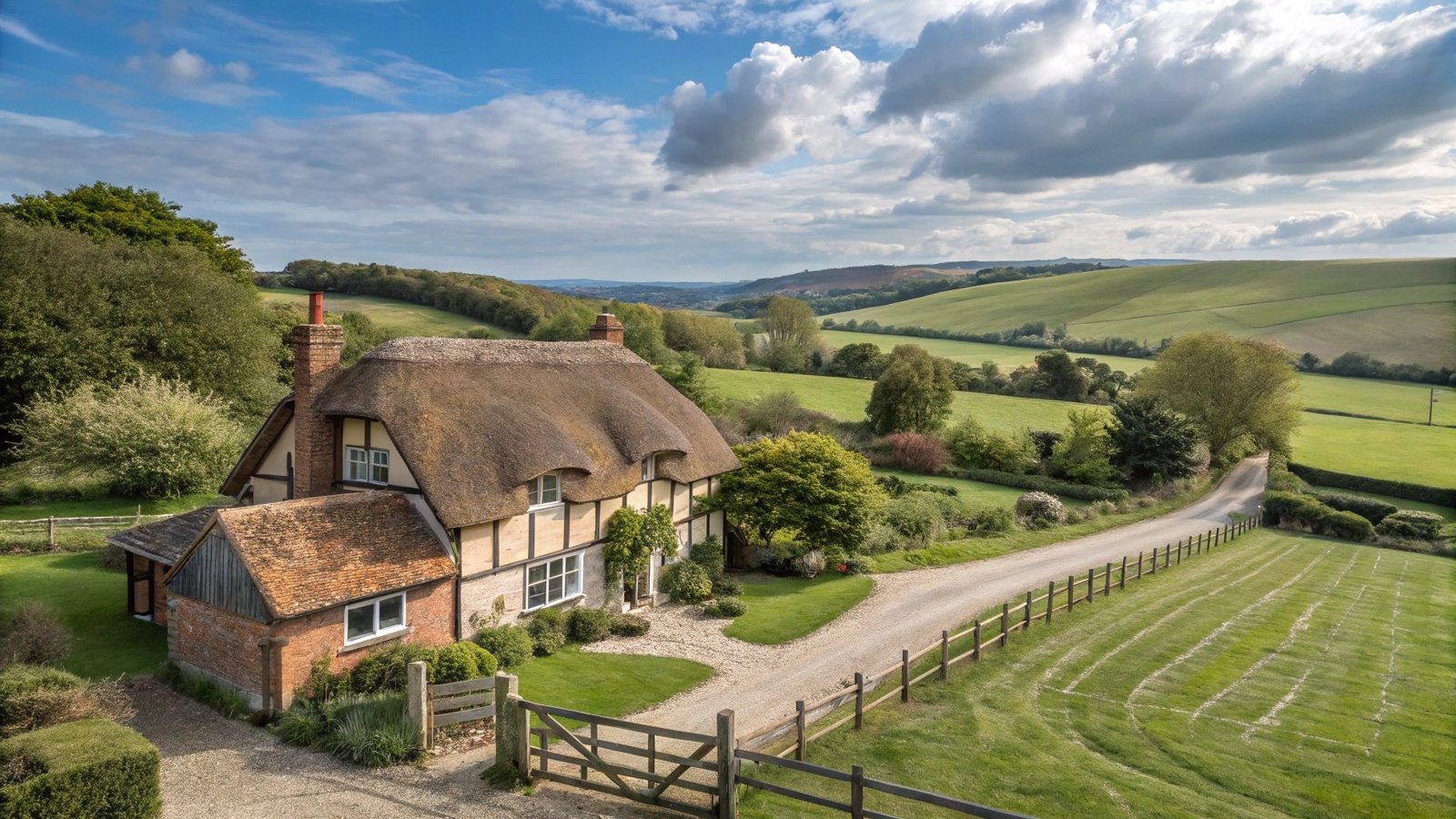
Rural properties in Kent countryside surrounding Tunbridge Wells present unique surveying challenges beyond standard residential inspections. Isolated locations, private utilities, agricultural buildings, extensive land, and specialized construction require expert assessment from surveyors experienced in country property complexities.
What Makes Rural Property Surveys Different?
Country homes differ significantly from town properties in construction, services, maintenance, and lifestyle. Rural surveys must address issues absent from urban inspections including private water supplies and septic tanks, agricultural outbuildings and barns, extensive land and boundaries, access rights and private roads, flood risk in rural locations, woodland and hedgerow management, wildlife and ecological considerations, and heating oil storage tanks.
Standard surveyors may lack rural property expertise. Choose surveyors experienced in Kent countryside properties who understand agricultural buildings, land management, and rural services.
Private Water Supplies
Many rural Kent properties rely on private water supplies from boreholes, wells, springs, or streams rather than mains connections. Private water requires careful assessment.
Water Testing
Surveys recommend water quality testing for rural properties with private supplies. Tests check for harmful bacteria like E.coli, chemical contamination from agriculture, nitrate levels, heavy metals, and pH balance. Local environmental health departments or private laboratories conduct testing costing £100-£300. Poor water quality requires treatment systems adding £1,000-£5,000+ to costs.
Supply Reliability
Assess water supply adequacy for household needs. Borehole yields vary seasonally—summer droughts may reduce supply. Springs can run dry during prolonged dry weather. Storage tanks provide buffers against supply fluctuations. Surveys identify water source types, storage capacity, pumping equipment condition, and historical reliability from owners.
Borehole Maintenance
Boreholes need periodic maintenance including pump replacement (every 10-15 years), pressure vessel checks, filtration system servicing, and water level monitoring. Budget £500-£1,500 annually for private water maintenance and testing.
Septic Tanks and Drainage
Rural properties without mains sewerage use septic tanks or treatment plants for waste water disposal. These systems require understanding and maintenance.
Types of Systems
Traditional septic tanks require annual emptying costing £150-£300. They discharge partially treated effluent to soakaways. Treatment plants (like Klargester) provide higher treatment levels, discharging to ditches or streams. They need more maintenance but handle larger volumes. Cesspits simply store waste requiring frequent emptying (£300-£500 every 4-8 weeks)—expensive for regular occupation.
Regulations and Compliance
Environmental regulations require septic systems to meet discharge standards. Systems discharging to watercourses need permits. Replacement or upgrading costs £3,000-£8,000 for septic tanks or £5,000-£12,000 for treatment plants. Surveys assess system types, capacity adequacy, compliance with current regulations, condition and remaining life, and soakaway functionality.
System Failures
Failed drainage systems cause environmental pollution and health hazards. Warning signs include foul odors around properties, waterlogged areas near soakaways, sewage backing up into properties, and visible effluent on surface. Surveys investigate suspected problems and recommend specialist drainage surveys if needed.
Heating Oil Tanks
Many rural properties use oil-fired central heating with external storage tanks. These require safety assessment and regulatory compliance.
Tank Condition and Safety
Oil tanks corrode and leak, causing environmental contamination costing thousands to remediate. Surveys examine tank age and condition, secondary containment (bunding) preventing leaks, positioning away from watercourses, and weather protection. Steel tanks last 15-20 years; plastic tanks last 20-30 years. Leaking tanks require immediate replacement (£500-£1,500) plus potential cleanup costs.
Oil Heating Costs
Heating oil prices fluctuate significantly. Rural properties typically use 1,500-3,000 liters annually depending on size and insulation. At typical prices, annual heating costs £1,500-£3,500—considerably more than gas-heated properties. Consider ongoing fuel costs when budgeting for rural living.
Access Rights and Private Roads
Rural properties often access public roads via private driveways, farm tracks, or shared access routes. Understanding access rights is crucial.
Access Rights
Verify legal access rights via title deeds and access agreements. Check whether you have rights of way over others' land, who maintains access routes, restrictions on access (agricultural use only, daylight hours, etc.), and rights of way others hold over your property. Inadequate access rights affect property values and may prevent mortgage lending.
Maintenance Responsibilities
Private roads and driveways require maintenance you fund partly or wholly. Shared access may involve contributing to repairs and maintenance. Unmaintained tracks deteriorate rapidly in wet weather, becoming impassable. Budget £1,000-£5,000 annually for private road maintenance in rural locations. Surveys assess access route condition, drainage adequacy, surface quality, and improvement requirements.
Agricultural Buildings and Outbuildings
Country properties often include barns, stables, workshops, and agricultural buildings. These require assessment alongside main houses.
Building Condition
Surveys examine outbuilding structure, weatherproofing, safety, and fitness for purpose. Traditional barns may have historical or architectural significance but need substantial investment for conversion. Surveys assess structural integrity of traditional timber frames, roof condition and weather protection, potential for conversion subject to planning, and repair costs for continued agricultural use.
Conversion Potential
Barn conversions create valuable additional accommodation, but planning permission isn't guaranteed. Conservation considerations, protected species (bats), structural adequacy for conversion, and access and utilities affect feasibility. Surveys provide initial opinions, but specialist architects advise on conversion viability and planning prospects.
Asbestos in Outbuildings
Old agricultural buildings frequently contain asbestos in roofing sheets, cladding panels, and insulation. Asbestos surveys identify materials requiring management or removal. Removal costs £50-£150 per square meter depending on material type and accessibility.
Land and Boundaries
Rural properties include extensive land requiring assessment beyond buildings themselves.
Boundary Identification
Verify boundaries match title plans. Walk boundaries with vendors or agents, noting hedges, fences, walls, ditches, and other features. Boundary disputes are common in rural areas—unclear boundaries cause expensive legal battles. Surveys note where boundaries are unclear or disputed, recommending professional boundary surveys if needed.
Land Condition
Assess land for drainage and waterlogging, erosion or landslip, invasive species like Japanese knotweed, tree health and safety, and agricultural capability if relevant. Land issues affect values and future use potential.
Rights and Restrictions
Rural land often has rights of way allowing public access, grazing rights permitting others' livestock, mineral rights owned separately from surface, sporting rights for hunting or fishing, and restrictive covenants limiting use. Title documents reveal rights and restrictions, but surveys identify practical implications.
Flooding and Drainage
Rural properties face unique flood risks from rivers, surface water, and groundwater.
Flood Risk Assessment
Check Environment Agency flood maps showing flood zones. Properties in flood zones require appropriate insurance and precautions. Surface water flooding affects rural areas when heavy rain overwhelms natural drainage. Groundwater flooding occurs when water tables rise, affecting properties on clay or in valleys.
Land Drainage
Agricultural land drainage systems require maintenance. Blocked ditches and failed field drains cause waterlogging. Surveys assess drainage adequacy, ditch condition and clearance, field drain operation, and improvement requirements. Drainage improvements cost £50-£200 per meter for new ditches or £20-£50 per meter for cleaning existing systems.
Wildlife and Ecology
Rural properties host protected species and habitats requiring management.
Protected Species
Bats, barn owls, newts, and other protected species affect property alterations. Bat roosts in buildings restrict renovation without special licenses. Ecological surveys identify protected species, recommend mitigation measures, and advise on licensing requirements. Costs range £500-£2,000 for surveys plus mitigation expenses if species are present.
Tree Preservation Orders
Mature trees may have preservation orders preventing felling or significant work without consent. Surveys identify notable trees and recommend checking for preservation orders with local planning authorities. Unauthorized work on protected trees incurs substantial fines.
Security and Isolation
Isolated rural locations present security challenges urban properties don't face.
Security Measures
Rural crime targets isolated properties. Assess security provisions including alarm systems and monitoring, security lighting, secure outbuildings, gated access, and visibility from roads or neighbors. Budget £1,000-£5,000 for comprehensive security systems in isolated rural properties.
Emergency Services
Ambulance, fire, and police response times exceed urban areas significantly. Consider implications for vulnerable occupants. Some rural locations have volunteer emergency responders supplementing formal services.
Telecommunications and Broadband
Rural connectivity varies dramatically. Poor internet and mobile coverage affect modern living.
Broadband Availability
Check broadband speeds and availability before purchasing. Some rural areas have fiber connections; others rely on slow copper lines. Satellite broadband provides solutions for very remote areas but costs £50-£100 monthly with lower speeds than fiber. Working from home may be impractical without adequate connectivity.
Mobile Coverage
Mobile signals vary by location and provider. Test signals during viewings using your phone. Poor coverage affects safety—inability to call emergency services is serious concern. Signal boosters improve coverage but cost £200-£1,000.
Listed Buildings in Rural Settings
Many rural Kent properties have listed status protecting architectural heritage but restricting alterations.
Listed Building Constraints
Listed status requires consent for most alterations including internal modifications, window replacement, heating system changes, and outbuilding work. Surveys for listed rural properties require specialists understanding heritage protection and sympathetic repair approaches. Maintenance costs exceed standard properties—budget 1.5-2 times normal maintenance expenses.
Rural Property Survey Costs
Rural surveys cost more than standard residential surveys reflecting increased complexity, travel time, and expertise required. In Kent, expect £800-£1,500 for rural homebuyer reports, £1,200-£2,500 for comprehensive building surveys, £1,500-£3,500 for properties with extensive outbuildings, and £2,000-£4,000+ for large estates with multiple buildings.
Additional specialist reports may include private water testing (£100-£300), drainage surveys (£300-£800), ecology surveys (£500-£2,000), and boundary surveys (£500-£1,500). While expensive, rural surveys prevent purchasing properties with expensive hidden problems.
Insurance for Rural Properties
Rural property insurance costs more than urban equivalents due to flood risk, oil heating, thatch (if applicable), distance from emergency services, and higher rebuild costs. Specialist rural insurers understand country property risks. Shop around and declare all features honestly—undisclosed risks void policies. Expect premiums 25-50% higher than equivalent urban properties.
Planning and Permitted Development
Rural planning rules differ from urban areas. Green belt restrictions limit development. Agricultural ties on some properties restrict occupation to agricultural workers. Conservation areas affect alterations. Permitted development rights may be withdrawn. Surveys identify planning constraints affecting future changes or development potential.
Living Costs in Rural Properties
Beyond purchase prices, rural living costs differ from towns. Higher costs include heating fuel (oil vs gas), water supply maintenance, septic tank emptying, private road maintenance, and travel costs for commuting. Lower costs include council tax (often), property prices per square foot, and land/garden space. Budget realistically for rural living expenses before committing to purchases.
Choosing Rural Property Surveyors
Select surveyors with demonstrated rural property expertise including experience with Kent countryside properties, understanding of agricultural buildings, knowledge of private utilities and drainage, appreciation of rural planning issues, and willingness to spend time on thorough inspections. Our team specializes in rural properties throughout Kent, providing comprehensive surveys protecting countryside buyers.
Frequently Asked Questions
Can I get mortgages on rural properties?
Yes, but lenders may restrict lending on properties with unconventional construction, without mains services, with agricultural ties, or in poor condition. Specialist rural mortgage brokers access suitable products.
What if private water tests fail?
Failed water tests require treatment systems or supply improvements. Treatment costs £1,000-£5,000 depending on contamination types. Renegotiate purchase prices to reflect costs or request vendor remediation.
How do I know if access rights are adequate?
Solicitors examine title deeds confirming legal access rights. Surveys assess physical access adequacy. Combined legal and practical assessments ensure access suits your needs.
Are rural properties good investments?
Rural properties can be excellent investments but consider limited buyer pools, higher maintenance costs, and potential difficulty selling. Location, condition, and local demand significantly affect investment potential.
Can I convert outbuildings to living accommodation?
Possibly, subject to planning permission. Barn conversion policies vary by local authority. Structural adequacy, access, utilities, and conservation constraints affect feasibility. Specialist architects advise on conversion prospects.
Professional Rural Property Surveys
Our experienced chartered surveyors provide specialist rural property surveys throughout Kent. We understand countryside property complexities from private utilities to agricultural buildings and extensive land. Our detailed surveys protect your investment in rural living, identifying issues and opportunities unique to country properties.
If you're considering rural property purchases near Tunbridge Wells or across Kent, contact us for expert surveying advice. We guide buyers through rural property assessment, ensuring informed decisions about your countryside investment.
Buying Rural Property in Kent?
Specialist rural property surveys from experienced countryside surveyors. Protect your country property investment with comprehensive assessment.
Arrange Rural Survey