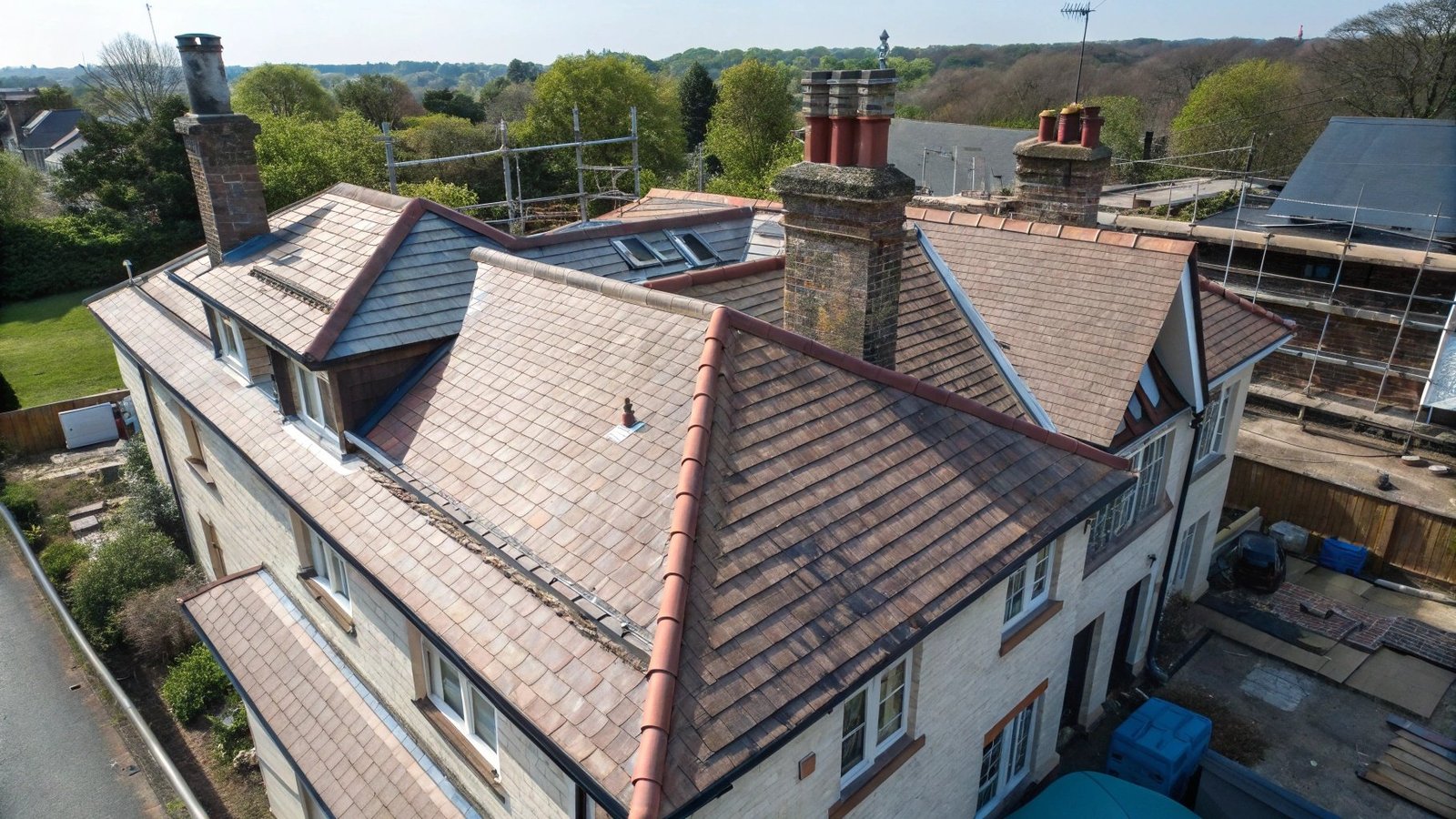
Roof surveys in Tunbridge Wells identify defects, deterioration, and maintenance requirements before they escalate into expensive problems causing water damage, structural issues, or complete roof failure. Professional inspections protect your property investment and prevent costly emergency repairs.
Why You Need a Roof Survey
Roofs endure constant exposure to weather extremes—rain, wind, snow, frost, and summer heat—causing gradual deterioration that homeowners often don't notice until serious problems develop. Regular roof surveys identify issues early when repairs cost far less than emergency replacements.
Professional roof surveys benefit homeowners purchasing properties to assess remaining roof life, selling properties and wanting pre-sale assessments, experiencing leaks or visible damage, planning maintenance budgets, or satisfying insurance requirements after storm damage.
In Tunbridge Wells, where Victorian and Edwardian properties with 100+ year old roofs are common, specialist roof surveys provide essential information about condition and renovation requirements.
Types of Roof Surveys
Visual Inspection from Ground Level
Basic visual inspections use binoculars to examine visible roof areas from ground level. While limited, ground-level surveys identify obvious issues like missing tiles, damaged chimneys, blocked gutters, and moss growth. These quick inspections suit annual maintenance checks but can't replace detailed close-up examinations.
Close-Up Inspection
Comprehensive roof surveys involve surveyors accessing roofs via ladders or scaffolding to examine tiles, leadwork, flashing, and roof structure closely. Close inspection reveals hairline cracks in tiles, mortar deterioration in ridge tiles, nail sickness in slate roofs, hidden rot in timber, and subtle defects invisible from ground level.
Most professional roof surveys for property purchase include close-up inspections providing detailed condition assessments.
Drone Survey
Modern drone technology enables detailed photographic surveys without physical roof access. High-resolution images capture every roof section from multiple angles, allowing thorough desktop analysis. Drone surveys suit properties where safe roof access is difficult, large or complex roofs requiring comprehensive documentation, and pre-purchase surveys when vendors deny roof access.
While drones can't physically test materials or probe suspect areas, they provide excellent visual documentation for informed assessments.
Thermal Imaging Survey
Thermal imaging cameras detect temperature variations indicating insulation defects, hidden moisture penetration, and air leakage. Combined with visual inspections, thermal surveys identify problems invisible to conventional examination. These specialist surveys suit properties with unexplained heat loss, suspected insulation problems, or investigating moisture issues without destructive opening-up.
What Roof Surveys Examine
Roof Coverings
Surveyors assess roof tile or slate condition examining individual units for cracks, breaks, or slippage. Clay and concrete tiles last 40-60 years while slate roofs can endure 100+ years. Age, weather exposure, and maintenance history affect lifespan. Surveys identify how much serviceable life remains before replacement becomes necessary.
Ridge and Hip Tiles
Ridge tiles capping roof peaks and hip tiles covering roof junctions are particularly vulnerable. Bedding mortar deteriorates, allowing tiles to loosen and slip. Wind damage often affects ridge tiles first. Repointing or replacing ridge tiles costs £1,000-£3,000 depending on roof size and access difficulty.
Valleys and Flashing
Roof valleys where slopes meet and flashing around chimneys, walls, and roof windows require careful inspection. Lead valleys last 50+ years but corrode eventually. Mortar fillets deteriorate faster, often needing replacement within 20-30 years. Failed valleys cause internal water damage requiring expensive repairs beyond roof work itself.
Gutters and Downpipes
Guttering collects rainwater and directs it safely away from buildings. Blocked, damaged, or incorrectly aligned gutters overflow, causing wall saturation, damp penetration, and foundation problems. Surveys assess gutter condition, alignment, capacity, and blockages. Cast iron gutters on Victorian properties often need replacement with modern systems costing £1,500-£4,000.
Chimney Stacks
Chimneys exposed to extreme weather deteriorate through frost action, water penetration, and structural movement. Pointing erodes, allowing water ingress. Chimney pots crack and lean. Stacks can become unstable, requiring expensive rebuilding costing £2,000-£8,000 depending on height and access.
Roof Structure
From loft spaces, surveyors examine roof timbers for structural adequacy, rot, woodworm, and modifications affecting integrity. Original Victorian roof timbers are often undersized by modern standards but adequate if undamaged. Roof spread where walls push outward under roof weight indicates serious structural problems requiring professional engineering assessment.
Insulation
Modern building regulations require 270mm loft insulation for energy efficiency. Many Tunbridge Wells properties have inadequate insulation causing high heating costs and condensation problems. Surveys assess insulation levels and recommend improvements achieving current standards.
Ventilation
Roof spaces need adequate ventilation preventing condensation that rots timber and damages insulation. Surveys check for soffit vents, ridge ventilation, and adequate airflow. Poor ventilation combined with modern loft insulation can create serious condensation problems in roof spaces.
Common Roof Problems in Tunbridge Wells
Slipped or Missing Tiles
Individual roof tiles slip or fall off due to nail deterioration, mortar failure, or wind damage. Missing tiles allow water penetration damaging underlying felt and timbers. Early replacement prevents escalation. Individual tile replacement costs £100-£300 per tile including access, while multiple missing tiles may cost £500-£1,500.
Nail Sickness
Victorian slate roofs used iron nails that corrode after 80-120 years, causing slates to slip. "Nail sickness" affects many Tunbridge Wells period properties. While individual slates can be replaced, widespread nail sickness indicates roofs approaching end of serviceable life requiring complete re-covering costing £10,000-£25,000 depending on size.
Leadwork Deterioration
Lead valleys, flashings, and flat roofs eventually corrode and crack. Lead theft has also affected some Tunbridge Wells properties. Replacing lead valleys costs £1,500-£4,000, while re-leading flat roof areas costs £100-£150 per square meter. GRP fiberglass offers a more affordable alternative to lead in some applications.
Moss and Algae Growth
Shaded roof areas develop moss, lichen, and algae growth, particularly on north-facing slopes. While not immediately serious, moss retains moisture accelerating tile deterioration and causing frost damage. Heavy moss growth can block valleys and gutters, causing overflow. Professional roof cleaning costs £400-£1,000 and extends roof life.
Felt Failure
Roofing felt beneath tiles provides secondary waterproofing. Original bitumen felt deteriorates after 30-50 years, becoming brittle and tearing. Modern breathable membranes last longer and perform better. Complete felt replacement during re-roofing adds £2,000-£5,000 to costs but provides essential protection.
Roof Spread
Roof spread occurs when inadequate roof structure pushes walls outward. External walls bulge, cracks appear, and roof lines sag visibly. This serious structural defect requires engineering assessment and remedial work including roof restraint or rebuilding costing £10,000-£40,000+ depending on severity.
Roof Survey Costs
Professional roof survey costs in Tunbridge Wells reflect property size, roof complexity, and inspection method. Ground-level visual inspections cost £150-£300, close-up inspections with roof access cost £300-£600, drone surveys cost £400-£800, and thermal imaging surveys cost £500-£1,000+.
Comprehensive building surveys include roof inspections as part of overall property assessment. Standalone roof surveys suit homeowners investigating specific concerns or planning maintenance.
Roof Repair vs Replacement
A common question homeowners ask is whether repairing or completely replacing roofs makes better financial sense. The decision depends on roof condition, age, extent of defects, remaining serviceable life, future maintenance costs, and property plans.
When to Repair
Localized damage to otherwise sound roofs suits repair. If fewer than 20% of tiles are damaged, underlying structure remains sound, roof is less than 40 years old for tiles or 80 years for slate, and leadwork and flashing are serviceable, then repairs offer good value.
When to Replace
Extensive deterioration warrants replacement. If more than 30% of roof covering needs attention, underlying felt has failed, structural timbers show decay, the roof is approaching expected lifespan, or you're planning loft conversion, complete replacement makes sense despite higher upfront costs.
Replacement prevents ongoing repair costs and provides warranties for peace of mind. Modern materials and techniques improve weather protection and energy efficiency.
Roof Replacement Costs
Complete roof replacement in Tunbridge Wells varies significantly based on size, materials, and complexity. Terraced house re-roofing costs £8,000-£12,000, semi-detached properties cost £10,000-£16,000, detached houses cost £12,000-£25,000+, and complex or large properties cost £20,000-£40,000+.
Costs include stripping old coverings, replacing felt with modern breathable membrane, installing new battens, fitting new tiles or slates, replacing leadwork and flashing, renewing gutters and downpipes, and disposing of waste materials.
Choosing Roof Materials
Clay Tiles
Traditional clay tiles suit period properties, lasting 50-80 years with good maintenance. They're frost-resistant, aesthetically pleasing, and available in various profiles and colors. However, clay tiles cost more than concrete alternatives at £40-£60 per square meter supplied and fitted.
Concrete Tiles
Modern concrete tiles offer economical solutions lasting 40-50 years. They're widely available, quick to install, and cost £25-£40 per square meter. However, concrete tiles lack clay's visual appeal and can suffer color fading over time.
Natural Slate
Natural slate roofs on Victorian properties can last 100+ years, making them excellent long-term investments. Slate suits conservation areas and listed buildings. However, costs are substantial at £80-£120 per square meter. Welsh and Spanish slate offer quality options at different price points.
Artificial Slate
Fiber-cement artificial slate provides slate aesthetics at lower cost (£35-£55 per square meter) and lighter weight reducing structural demands. Modern products last 40-60 years and suit properties where conservation doesn't require natural materials.
Maintaining Your Roof
Regular maintenance extends roof life and prevents expensive problems. Annual gutter clearing prevents blockage and overflow, five-yearly professional inspections identify developing issues, prompt repair of damaged tiles prevents water penetration, moss removal protects tile surfaces, and checking flashing and leadwork catches deterioration early.
Maintenance costs £200-£500 annually far exceed emergency repair costs when neglected roofs fail catastrophically.
Insurance and Storm Damage
Home insurance typically covers storm damage to roofs, but policies define "storm" specifically (usually winds exceeding 55mph). Insurers may decline claims for gradual deterioration, inadequate maintenance, or wear and tear. Pre-existing damage discovered after storms complicates claims.
Following storms, arrange professional surveys documenting damage before claiming. Photographs and reports support claims, distinguishing storm damage from pre-existing defects.
Listed Buildings and Conservation Areas
Many Tunbridge Wells properties in conservation areas or with listed status face restrictions on roof materials and alterations. Listed building consent may be required for re-roofing, changing materials, installing roof lights, or removing chimneys.
Surveys for listed properties advise on planning constraints and appropriate repair approaches respecting heritage significance. Specialist materials and traditional techniques increase costs but preserve architectural integrity.
Flat Roofs
Extensions, rear additions, and some modern properties feature flat roofs with different survey requirements. Flat roofs typically use felt, GRP fiberglass, or single-ply membrane. They're more prone to ponding, leaks, and shorter lifespans than pitched roofs.
Surveys assess flat roof condition, drainage, blistering, cracking, and remaining life. Felt flat roofs last 10-20 years, GRP lasts 25-40 years, and single-ply membrane lasts 20-35 years. Replacement costs £40-£100 per square meter depending on system chosen.
Solar Panels and Roof Surveys
Installing solar panels requires assessing roof condition first. Panels add weight and fixings penetrate roof coverings creating potential leak points. Roofs needing replacement within 10 years should be renewed before panel installation, avoiding expensive removal and reinstatement later.
Surveys evaluate structural capacity for panel weight, roof condition and remaining life, optimal orientation and pitch, and shading analysis. Poor roof condition or unsuitable orientation may make solar panels uneconomic despite environmental benefits.
Questions to Ask Your Roof Surveyor
When commissioning roof surveys, ask about their experience with Tunbridge Wells properties and period buildings, inspection methodology and areas examined, whether they access roofs for close-up examination, qualifications and professional memberships, and whether reports include photographs and condition ratings.
Good surveyors explain findings clearly, provide repair cost estimates, prioritize necessary work, and recommend maintenance regimes extending roof life.
DIY Roof Inspection
While professional surveys are essential for comprehensive assessment, homeowners can monitor roofs between surveys checking for slipped or missing tiles visible from ground, moss growth indicating moisture retention, blocked gutters overflowing in rain, water stains on ceilings suggesting leaks, and daylight visible through tiles when in loft.
Never attempt DIY roof access without proper safety equipment. Falls from roofs cause serious injuries. Leave close examination to professionals with appropriate equipment and insurance.
Finding Reliable Roofers
After surveys identify roof work, choosing reliable contractors is crucial. Look for contractors with several years' experience in Tunbridge Wells, professional trade body membership like the National Federation of Roofing Contractors, comprehensive insurance including public liability, references from previous customers, and detailed written quotations specifying materials and work scope.
Avoid doorstep traders offering cheap repairs or claiming urgent work is necessary. Reputable contractors provide written quotations and allow time for consideration.
Frequently Asked Questions
How often should I have roof surveys?
Professional inspections every 5-10 years maintain awareness of condition changes. Older roofs (40+ years) benefit from more frequent surveys every 3-5 years. Annual visual checks between professional surveys identify obvious problems.
Can I claim roof surveys on insurance?
Routine maintenance surveys aren't covered, but insurers may pay for surveys investigating storm damage claims or assessing specific insured events. Check your policy or contact insurers before commissioning surveys for claims.
Do roof surveys guarantee no leaks?
No survey guarantees future performance. Surveyors assess condition at inspection time, but roofs can develop new problems afterward. However, professional surveys significantly reduce risk by identifying existing defects and deterioration.
How long do roof surveys take?
Inspections take 1-3 hours depending on property size and roof complexity. Reports typically arrive within 5-7 working days. Urgent surveys can be arranged with faster turnaround when needed.
Should I survey my roof before selling?
Pre-sale surveys identify issues allowing you to arrange repairs before marketing or adjust asking prices accordingly. This prevents sale complications when buyers' surveys reveal defects and prevents deals collapsing due to unexpected problems.
Professional Roof Surveying in Tunbridge Wells
Our chartered surveyors provide comprehensive roof surveys across Tunbridge Wells and Kent. We understand local property types from Victorian slate roofs to modern tile systems. Our detailed reports document condition clearly, prioritize necessary work, provide repair cost guidance, and include photographic evidence.
Whether you're purchasing property, planning maintenance, investigating leaks, or satisfying insurance requirements, our professional roof surveys protect your investment and provide peace of mind about your property's weatherproofing.
Contact us today to arrange your Tunbridge Wells roof survey. Early identification of roof problems prevents expensive emergency repairs and protects your home from weather damage.
Need a Professional Roof Survey?
Expert roof surveys identifying problems before they become expensive disasters. Protect your Tunbridge Wells property with professional inspection.
Book Your Roof Survey