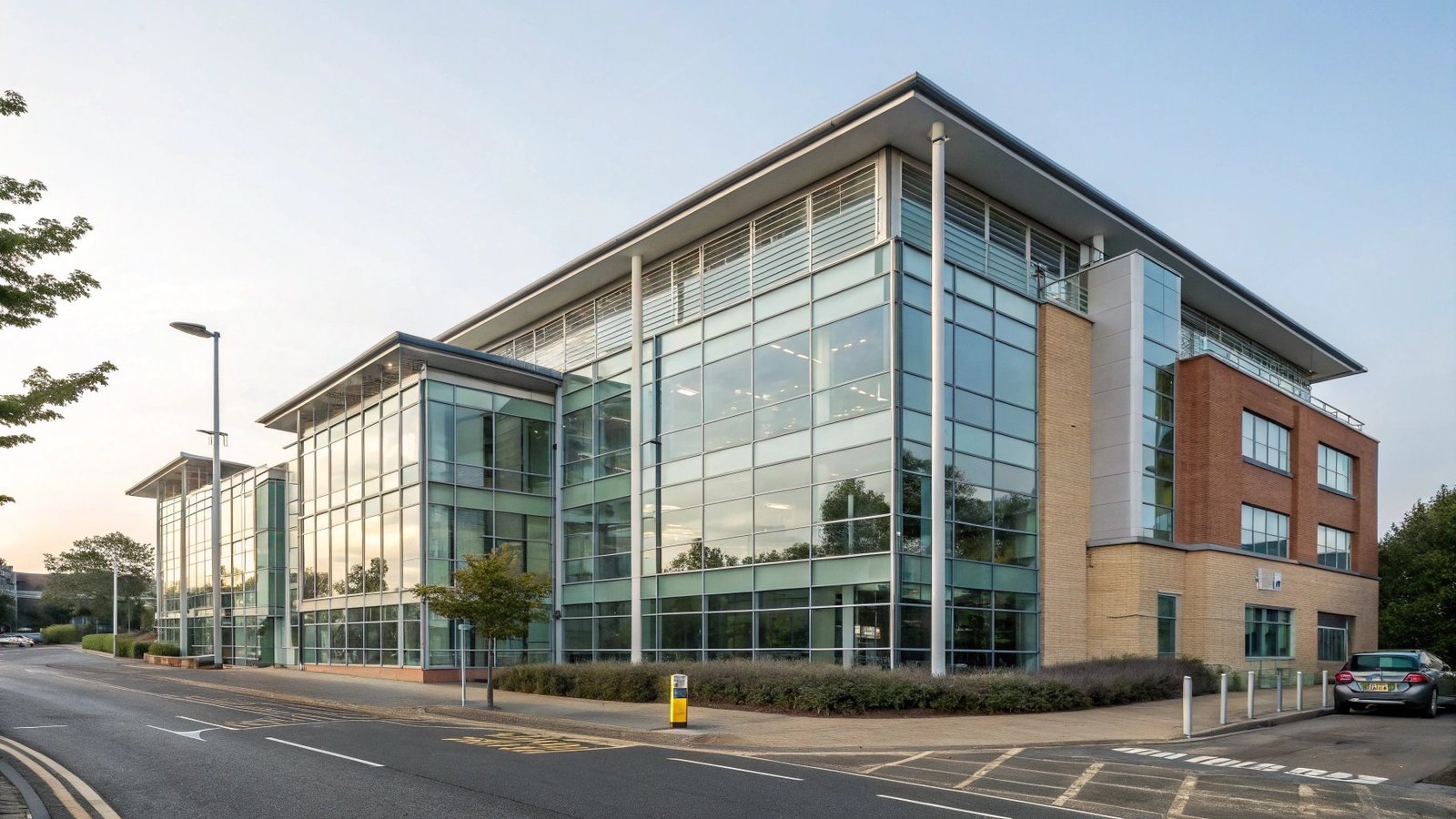
Commercial property surveys in Tunbridge Wells protect business investments by identifying structural defects, compliance issues, and operational problems before purchase or lease. Professional surveying prevents expensive mistakes and ensures commercial buildings meet business needs and regulatory requirements.
Why Commercial Properties Need Professional Surveys
Commercial properties differ significantly from residential buildings in complexity, usage, and risk. Businesses investing in offices, retail units, industrial premises, or mixed-use developments need thorough due diligence before committing substantial capital.
Commercial surveys identify structural defects affecting building integrity, compliance issues with building regulations and health and safety, environmental hazards like asbestos or contamination, access and disability compliance shortfalls, mechanical and electrical system condition, and fire safety and escape route adequacy.
In Tunbridge Wells' competitive commercial property market, professional surveys provide essential information for purchase decisions, lease negotiations, and business planning.
Types of Commercial Property Surveys
Commercial Building Survey
Comprehensive building surveys suit purchasers and investors acquiring commercial properties. These detailed inspections examine all accessible areas, document construction and condition, identify defects and maintenance requirements, assess remaining life of building elements, and provide cost estimates for necessary repairs.
Commercial building surveys in Tunbridge Wells typically cost £1,500-£5,000 depending on property size, complexity, and value. Large or complex properties may require higher fees reflecting increased time and expertise needed.
Dilapidations Survey
Dilapidations surveys document property condition at lease commencement or termination. Commercial leases typically require tenants to return properties in good repair, making dilapidations surveys essential for landlords pursuing repair costs or tenants defending claims.
Schedule of dilapidations documents breaches of lease repair covenants with photographs and descriptions. Terminal schedules served at lease end demand repairs or financial compensation. Our surveyors prepare dilapidations for landlords or tenants, protecting clients' financial interests.
Reinstatement Cost Assessment
Insurance valuations for commercial properties calculate total rebuild costs if buildings are destroyed. Professional assessments ensure adequate cover without over-insuring. Factors affecting reinstatement costs include building size and construction, specialized features and systems, listed building or conservation status, demolition and site clearance, and professional fees for architects and engineers.
Underinsurance leaves businesses exposed to substantial losses. Annual reinstatement valuations ensure cover keeps pace with construction cost inflation.
Condition Survey
Periodic condition surveys monitor building condition for landlords managing commercial portfolios or occupiers planning maintenance programs. Regular surveys identify deterioration early when repairs cost less, support planned maintenance budgets, and demonstrate responsible property management.
Commercial Survey Scope
Commercial surveys examine aspects beyond typical residential surveys, reflecting business property complexity and regulatory requirements.
Structural Elements
Surveyors assess structural integrity thoroughly examining foundations, columns, beams, floors, walls, and roofs. Commercial buildings use varied construction from traditional masonry to modern steel frames and reinforced concrete. Load-bearing capacity for intended uses, structural movement or settlement, corrosion of steel frames, concrete deterioration including spalling, and roof structure suitable for loading all require assessment.
Building Services
Mechanical and electrical services dominate commercial building costs and functionality. Surveys assess heating, ventilation, and air conditioning systems, electrical distribution and capacity, lighting systems and emergency lighting, fire alarms and detection systems, security systems and access control, lifts and escalators, plumbing and drainage, and data and telecommunications infrastructure.
Service failures disrupt businesses and cost significantly to replace. Survey advice on service condition and remaining life informs maintenance budgets and replacement planning.
External Areas
Commercial properties include substantial external areas requiring inspection: car parks and access roads, loading bays and service yards, boundary walls and fencing, external lighting and security, drainage systems and surface water management, and landscaping and grounds maintenance.
Compliance and Regulations
Commercial properties must comply with numerous regulations. Surveys identify compliance shortfalls including building regulations for alterations, fire safety regulations requiring fire doors, detection, and escape routes, disability access under Equality Act 2010, health and safety for occupants and visitors, energy performance certificates showing efficiency ratings, and asbestos management in pre-2000 buildings.
Non-compliance creates legal liabilities and requires costly remedial work. Surveys flag compliance issues before purchase or lease commitments.
Commercial Property Due Diligence
Acquiring commercial properties requires comprehensive due diligence beyond surveying including legal title verification, planning consents for current use, environmental contamination assessment, flooding and drainage issues, utilities availability and capacity, and neighboring developments affecting property.
Surveyors coordinate with solicitors and environmental consultants ensuring thorough investigation. Tunbridge Wells commercial properties in town center locations may have complex planning and access considerations requiring specialist advice.
Dilapidations Explained
Dilapidations represent breaches of tenant lease obligations to repair, decorate, and maintain commercial properties. Understanding dilapidations is crucial for both landlords and tenants in Tunbridge Wells' commercial market.
Tenant Responsibilities
Commercial leases typically impose repairing obligations including maintaining structure and exterior, internal decorations to professional standards, mechanical and electrical systems, fixtures and fittings, and reinstating unauthorized alterations. Full repairing and insuring (FRI) leases make tenants responsible for all repairs including structure.
Schedule of Dilapidations Process
Landlords serve schedules documenting lease breaches, usually six months before lease expiry. Schedules detail each breach with photographs, specify required remedial work, and estimate repair costs. Tenants can negotiate, arrange repairs themselves, or agree financial settlements.
Our surveyors prepare dilapidations schedules for landlords maximizing legitimate recovery or represent tenants defending claims and negotiating fair settlements.
Diminution Valuation
Landlords can only recover actual loss (diminution in value) from dilapidations, not full repair costs if repairs won't be undertaken. If buildings face demolition or redevelopment, diminution may be minimal regardless of disrepair. Surveyors assess diminution values protecting tenants from excessive claims.
Asbestos Management
Commercial buildings constructed before 2000 likely contain asbestos in insulation, ceiling tiles, floor tiles, pipe lagging, or textured coatings. Control of Asbestos Regulations requires duty holders to manage asbestos, conduct asbestos surveys identifying materials, maintain asbestos registers, implement management plans, and arrange safe removal when necessary.
Purchasing commercial properties requires understanding asbestos liabilities. Surveys identify suspected asbestos requiring specialist testing and advise on management or removal costs.
Fire Safety in Commercial Buildings
Fire safety regulations for commercial premises impose significant obligations. Fire risk assessments identify hazards and necessary improvements, fire detection and alarm systems require regular testing, emergency lighting ensures safe evacuation, fire doors and escape routes must remain clear and functional, and fire extinguishers need appropriate positioning and maintenance.
Surveys assess fire safety provisions and compliance, identifying shortfalls requiring attention. Non-compliance creates criminal liability for responsible persons and endangers occupants.
Accessibility and Equality Act
The Equality Act 2010 requires commercial properties to be accessible to disabled persons. Reasonable adjustments include level or ramped access to entrances, accessible toilets with adequate space and facilities, parking bays for disabled users, lifts providing access to all floors, and appropriate signage and wayfinding.
Surveys identify accessibility shortfalls. Purchasers should budget for necessary improvements ensuring compliance and avoiding discrimination claims.
Energy Performance Certificates
Commercial properties require EPCs when constructed, sold, or let. Certificates rate energy efficiency from A (most efficient) to G (least efficient) and recommend improvements. Properties with ratings below E can't legally be let without exemptions.
Poor EPC ratings affect letting prospects and operating costs. Surveys identify improvements like insulation, efficient lighting, and modern heating systems that enhance ratings and reduce energy expenses.
Commercial Survey Costs
Commercial survey fees reflect property size, complexity, and survey scope. In Tunbridge Wells, expect costs around £1,500-£3,000 for small retail or office units, £3,000-£6,000 for medium commercial buildings, £6,000-£15,000 for large or complex properties, and £2,000-£5,000 for dilapidations schedules.
Costs represent small percentages of property values and prevent expensive mistakes. Budget for surveys when planning commercial property transactions.
Retail Property Surveys
Retail units in Tunbridge Wells town center have specific survey considerations including shop front condition and security, display window glazing and safety, internal layout suiting retail use, customer toilet facilities if required, loading and delivery access, storage and stockroom adequacy, security systems and shutters, and compliance with shop regulations.
High street locations may have conservation restrictions affecting alterations. Surveys advise on planning constraints and potential changes.
Office Property Surveys
Office buildings require assessment of air conditioning and ventilation capacity, IT and data infrastructure adequacy, meeting room and break-out space layout, kitchen and welfare facilities, car parking allocation, accessibility compliance, and energy efficiency affecting operating costs.
Modern offices increasingly need sustainability features and flexible layouts. Surveys assess whether buildings meet contemporary office requirements or need upgrading.
Industrial Property Surveys
Industrial premises have specialized survey needs including structural capacity for heavy equipment and storage, loading dock condition and operation, three-phase electrical capacity, adequate ceiling heights, floor slab condition and load capacity, drainage for industrial processes, health and safety compliance, and environmental permits if applicable.
Industrial properties in Tunbridge Wells often occupy older buildings requiring adaptation. Surveys assess suitability for intended industrial uses.
Investment Property Surveys
Commercial property investors need surveys supporting investment decisions, including assessment of building condition affecting running costs, remaining life of major elements like roofs and services, necessary capital expenditure over holding periods, rental income sustainability given building condition, and exit values considering repair requirements.
Investment surveys provide data for financial modeling, helping investors evaluate deals accurately and negotiate prices reflecting true building condition.
Pre-Purchase Survey Negotiations
Survey findings provide leverage for purchase price negotiations. Significant defects justify requesting price reductions reflecting repair costs, requesting vendors arrange repairs before completion, negotiating retention of funds pending repairs, or walking away from deals with excessive defects.
Tunbridge Wells commercial property market remains competitive, but vendors typically negotiate reasonably when surveys reveal genuine issues affecting property value or usability.
Managing Commercial Property Portfolios
Landlords owning multiple commercial properties benefit from regular condition surveys. Annual or biennial inspections identify maintenance needs early, support planned maintenance programs and budgets, demonstrate diligence if tenant disputes arise, maintain property standards protecting rental values, and inform refurbishment and capital investment decisions.
Proactive maintenance preserves property values and attracts quality tenants willing to pay premium rents for well-maintained premises.
Lease Advisory Services
Surveyors advise landlords and tenants on commercial lease terms affecting property obligations. Schedule of condition protects tenants from liability for pre-existing defects, repairing obligations should reflect property age and condition, service charge provisions need clarity and fairness, rent review mechanisms affect future costs, and break clauses allow exit flexibility.
Pre-lease surveys and advice prevent future disputes and ensure parties understand repair and maintenance responsibilities clearly.
Choosing Commercial Property Surveyors
Select surveyors with commercial property expertise including RICS membership and commercial specialism, experience with your property type in Tunbridge Wells, understanding of relevant regulations and compliance, professional indemnity insurance adequate for transaction value, and clear communication explaining technical issues.
Our team specializes in commercial property surveys across Tunbridge Wells and Kent, advising businesses, investors, and landlords on retail premises, office buildings, industrial properties, and mixed-use developments.
Frequently Asked Questions
Do I need a survey for a leased commercial property?
Yes. Leasing doesn't reduce survey importance. Surveys identify defects affecting your business and potential dilapidations liability at lease end. Schedule of condition surveys protect tenants from pre-existing defects.
How long do commercial surveys take?
Inspections take one day to several days depending on property size. Reports typically arrive within 10-15 working days. Urgent surveys can be arranged with faster turnaround when needed.
Can surveys identify all problems?
Surveys examine accessible areas only. Some defects may be concealed behind finishes or inaccessible. Surveyors note limitations and recommend specialist investigations where appropriate.
What if my survey reveals major defects?
You can renegotiate price, request vendor repairs, arrange specialist investigations, or withdraw from the transaction. Surveys provide information for informed decisions protecting your investment.
Are commercial surveys tax-deductible?
Survey costs directly related to commercial property purchases or leases may be deductible business expenses. Consult your accountant regarding tax treatment in your specific circumstances.
Professional Commercial Surveying Services
Our chartered surveyors provide comprehensive commercial property services throughout Tunbridge Wells and Kent including building surveys for purchase or investment, dilapidations schedules for landlords and tenants, reinstatement valuations for insurance, lease advisory and schedule of condition, and planned maintenance surveys.
We understand Tunbridge Wells commercial property market from town center retail to business park offices and industrial estates. Contact us to discuss your commercial surveying requirements and protect your business property investment.
Commercial Property Survey Experts
Professional commercial property surveys for businesses and investors in Tunbridge Wells. Make informed decisions with expert surveying support.
Request Commercial Survey